Surge protection for DC systems
Protect important components from failure and damage
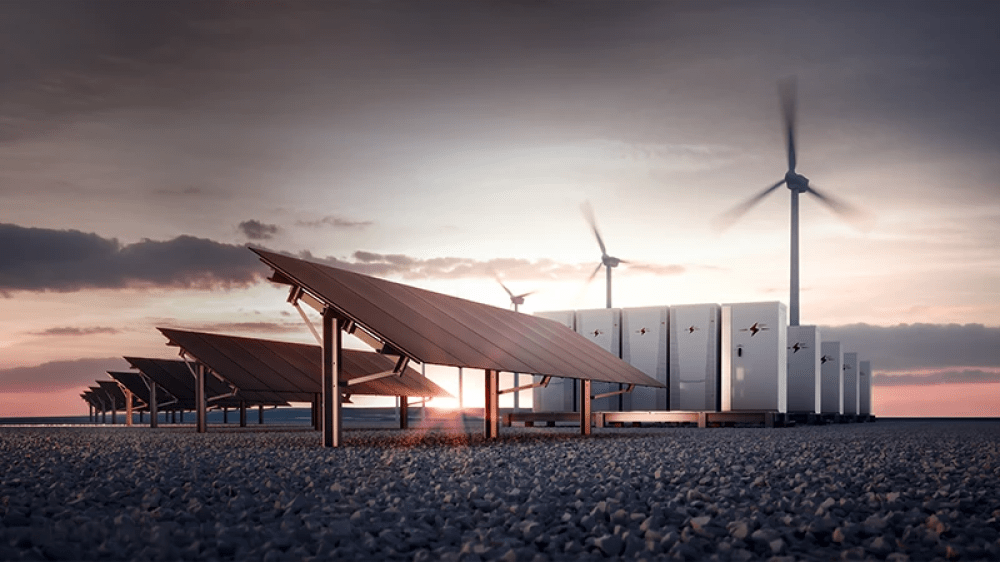
Direct current (DC) is driving the energy revolution. And not only in Germany, but throughout Europe and, in some cases, worldwide. Whether it's in photovoltaics, battery storage, electromobility or modern building technology, DC systems form the backbone of efficient power distribution. However, with increasing prevalence, there is also a growing urgent need to protect these systems reliably.
Power surges caused by lightning or switching operations can destroy expensive components in seconds. We offer comprehensive, standard-compliant protection solutions that reliably secure DC applications in all areas. This keeps systems safe, stable and economical. Learn more about the areas of application and the appropriate DEHN protection concepts.
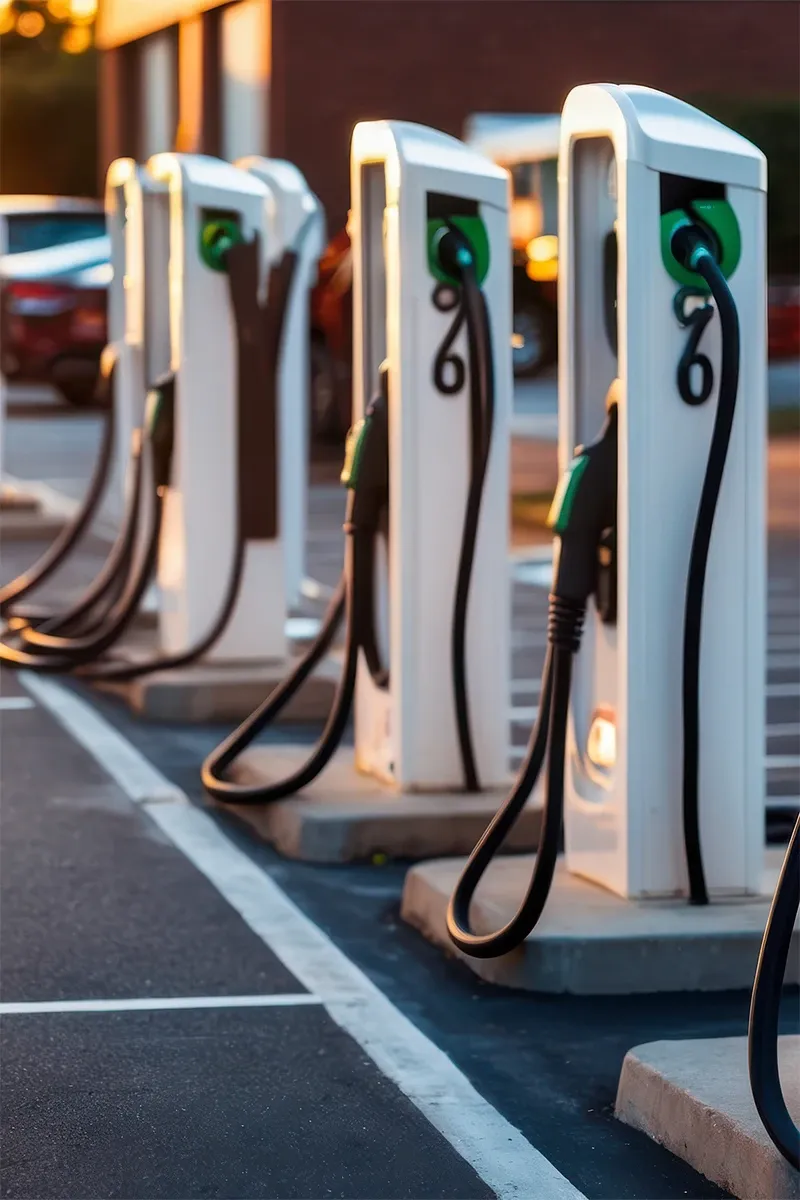
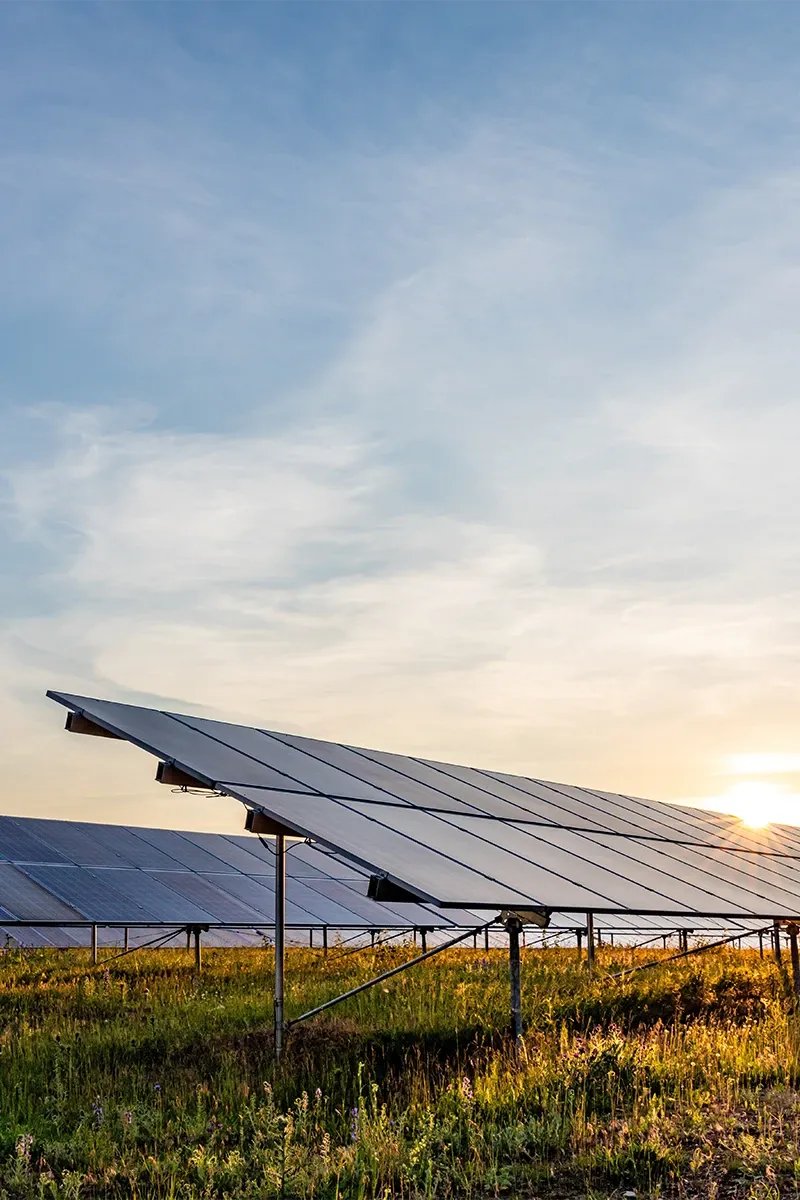
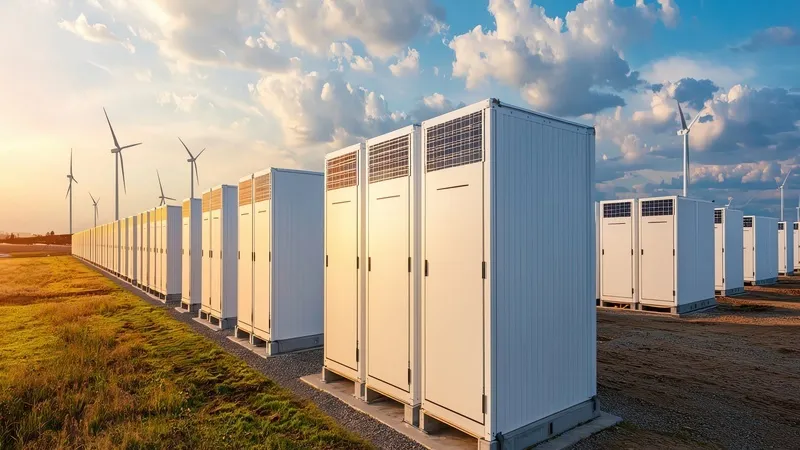
Maximum safety for your DC applications
DEHN is your reliable system partner for direct current protection. Our innovative solutions ensure maximum system availability, safe installation and long-term investment protection. From planning to implementation, we support you with comprehensive expertise and international experience.
Shaping standards, driving innovation
As an active member of the Open Direct Current Alliance (ODCA), we are driving forward global standards for DC technologies. Together with international partners, we are making direct current safer – whether in energy, industry, mobility or buildings. Forecasts show that the global DC market will grow to over USD 800 million by 2035.
DC – Key technology of the future
With certified, scalable protection solutions, DEHN is actively shaping the future of direct current. Our commitment to the further development of standards and protection concepts makes us a leading driver for secure and efficient DC infrastructures around the globe.
Your investment in quality that pays off for you
Maximum system availability
DEHN SPDs prevent unplanned outages caused by overvoltages – your systems run stably and reliably.
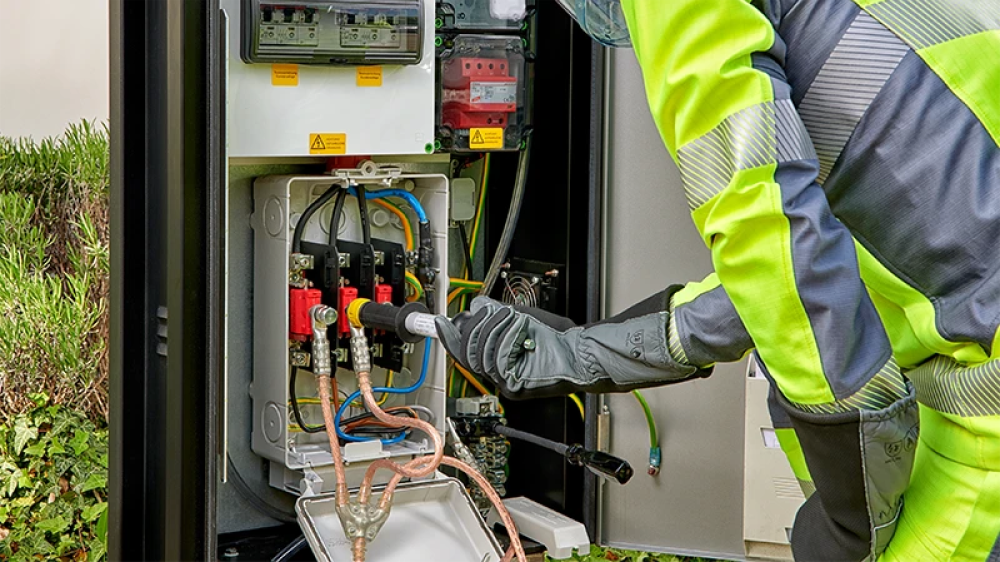
Safety for people and technology
In critical situations, you avoid endangering employees and increase operational safety.
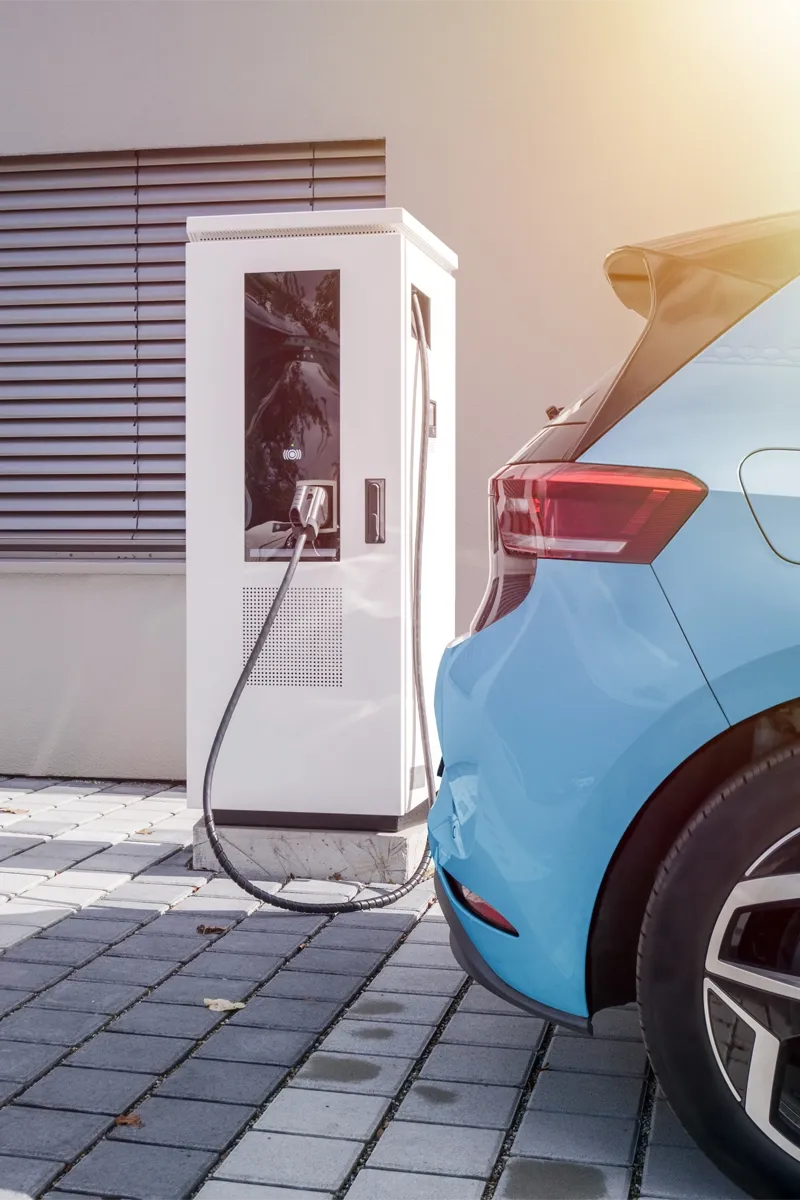
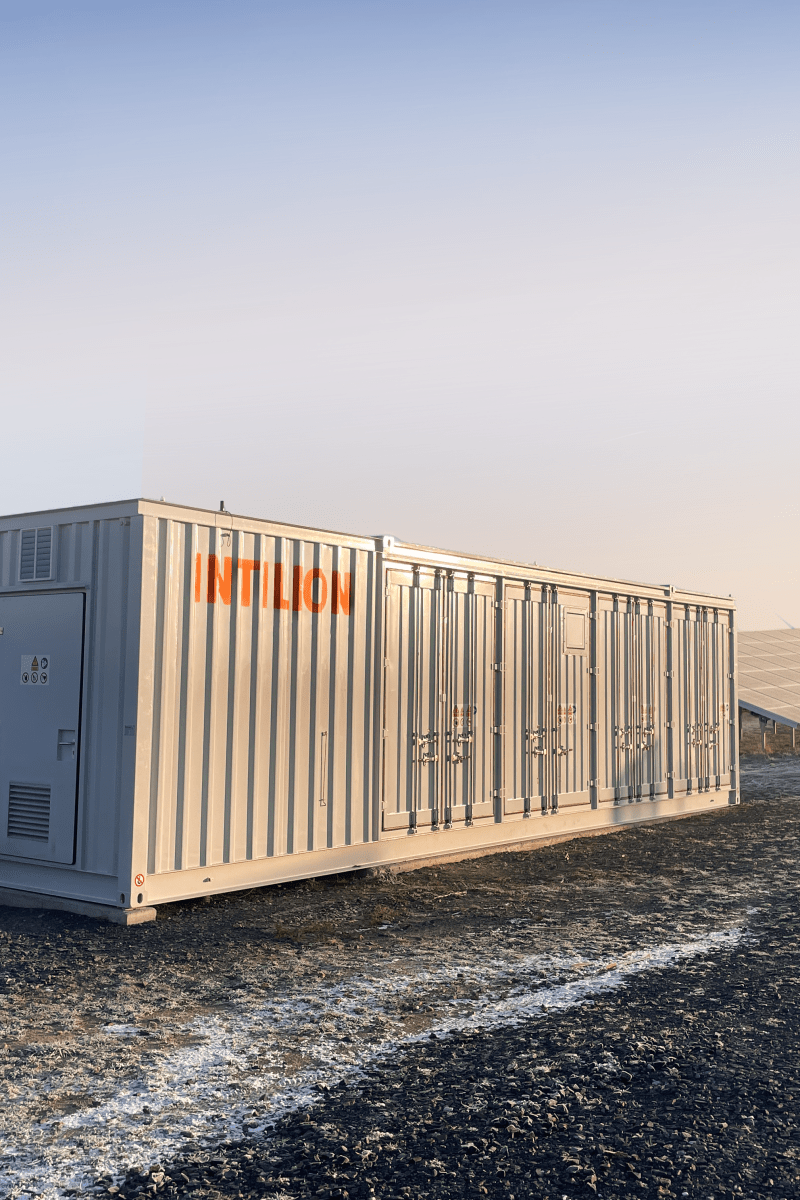
Protection of your DC components
You protect expensive inverters, battery storage systems or charging stations from damage and extend their service life.

Forward-looking solutions
Your DC protection is scalable and optimally prepared for the requirements of the energy revolution and digitalisation.
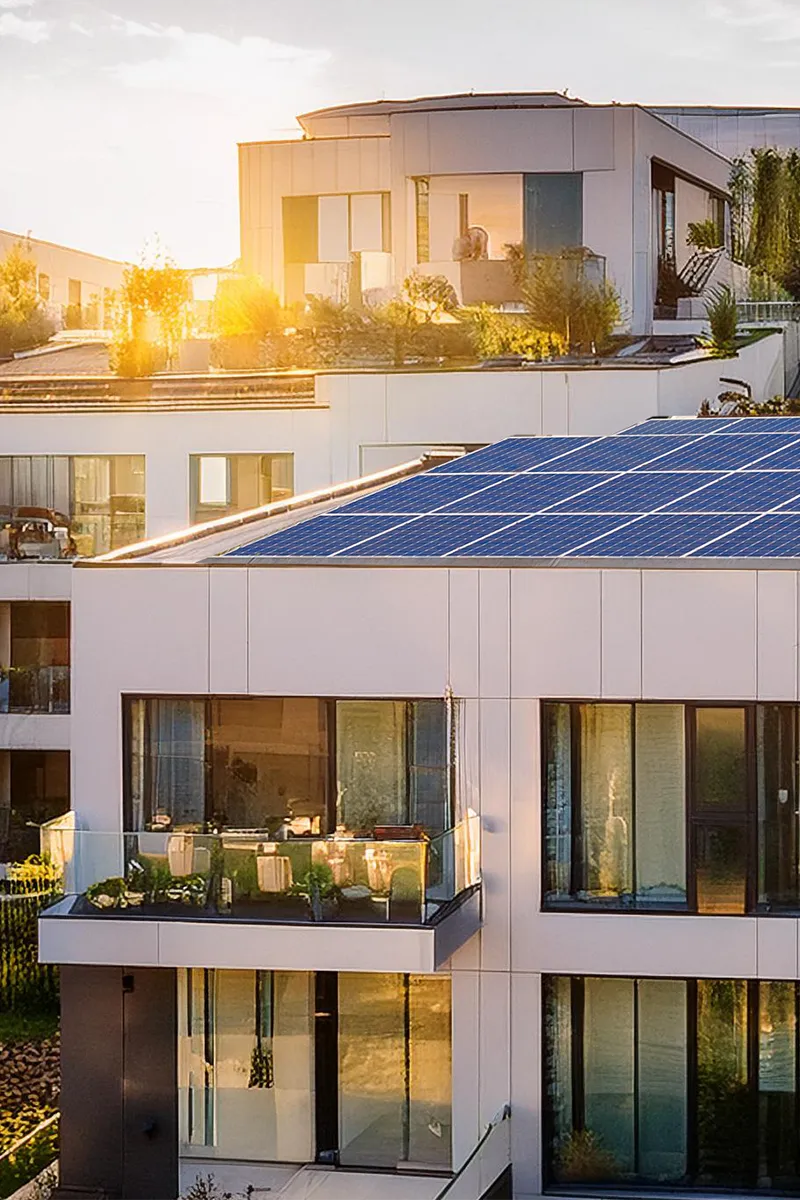
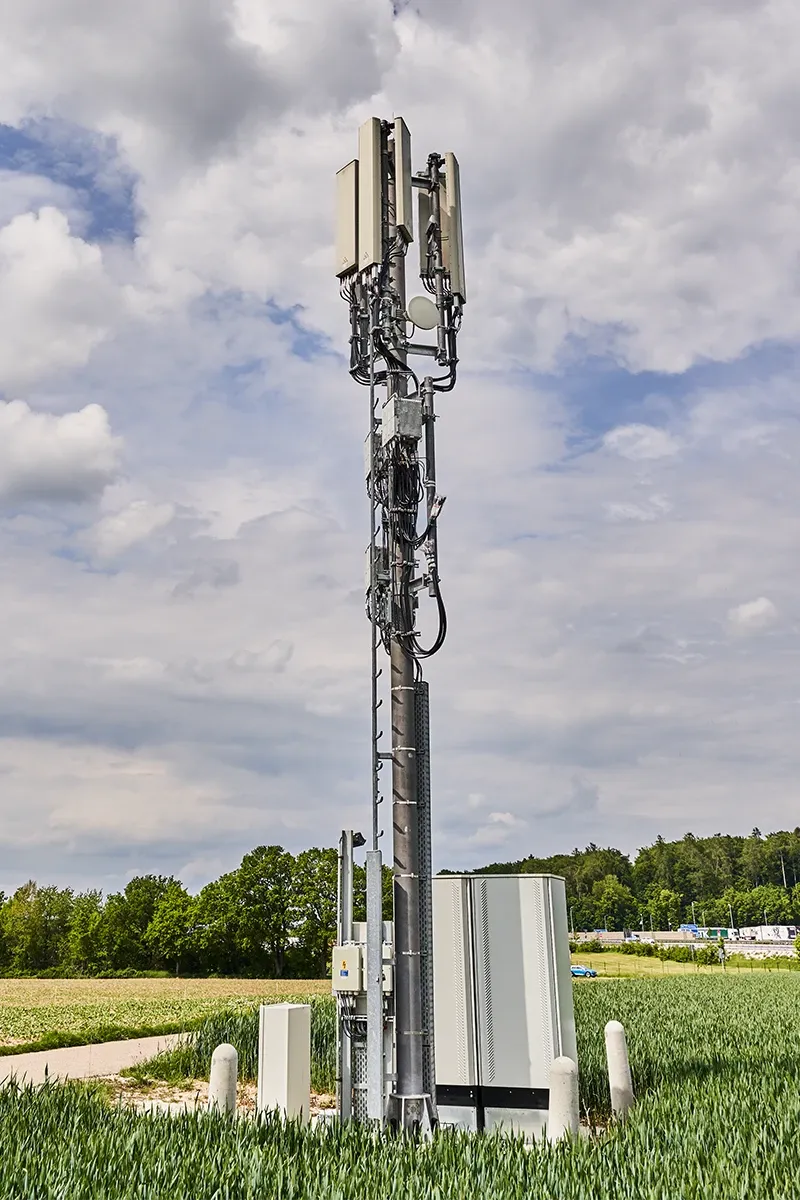
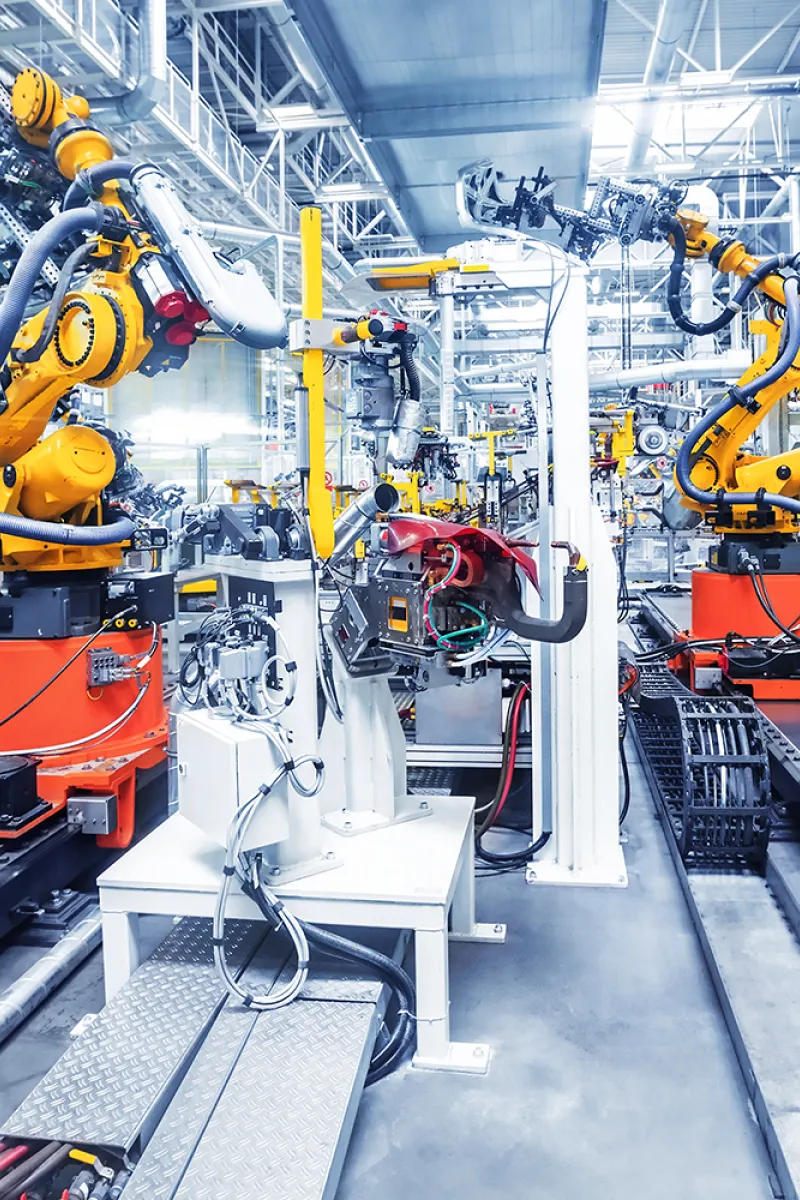
DC systems:
high voltages,
stringent protection requirements
In DC applications, the challenge when using surge protective devices (SPDs) is that, unlike alternating current, direct current does not have a zero crossing. This makes it significantly more difficult to quench the electric arcs that occur when a surge voltage is discharged. In addition, DC systems often operate at higher and continuously constant voltages, resulting in higher thermal loads and requiring more careful design of SPDs.
Particularly in applications such as photovoltaic systems, battery storage systems or electromobility, protective devices must be selected and designed with particular care due to the varying voltage levels and short-circuit currents.
IEC/EN 61643-31 (SPDs for PV DC circuits) and IEC/EN 61643-41 (SPDs for DC power supply systems in general), among others, apply to the standardisation and testing of surge protective devices in DC applications.
Planning DC systems safely and in accordance with standards
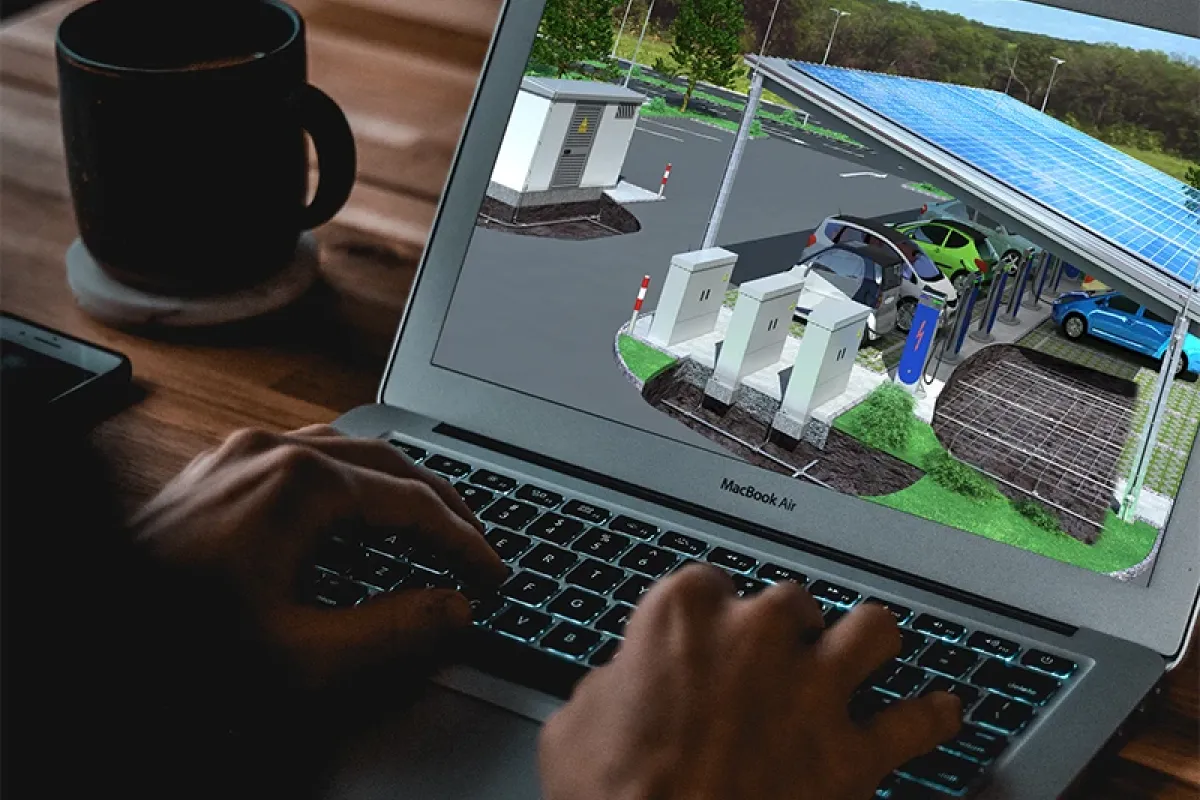
Valuable knowledge for your planning
We recommend our online seminars and e-learning courses on e-mobility and photovoltaics - applications that use DC exclusively or for the most part.

DEHN is your full-service provider
We accompany your project from planning to realisation and beyond. Take advantage of our wide range of practical tools and services.
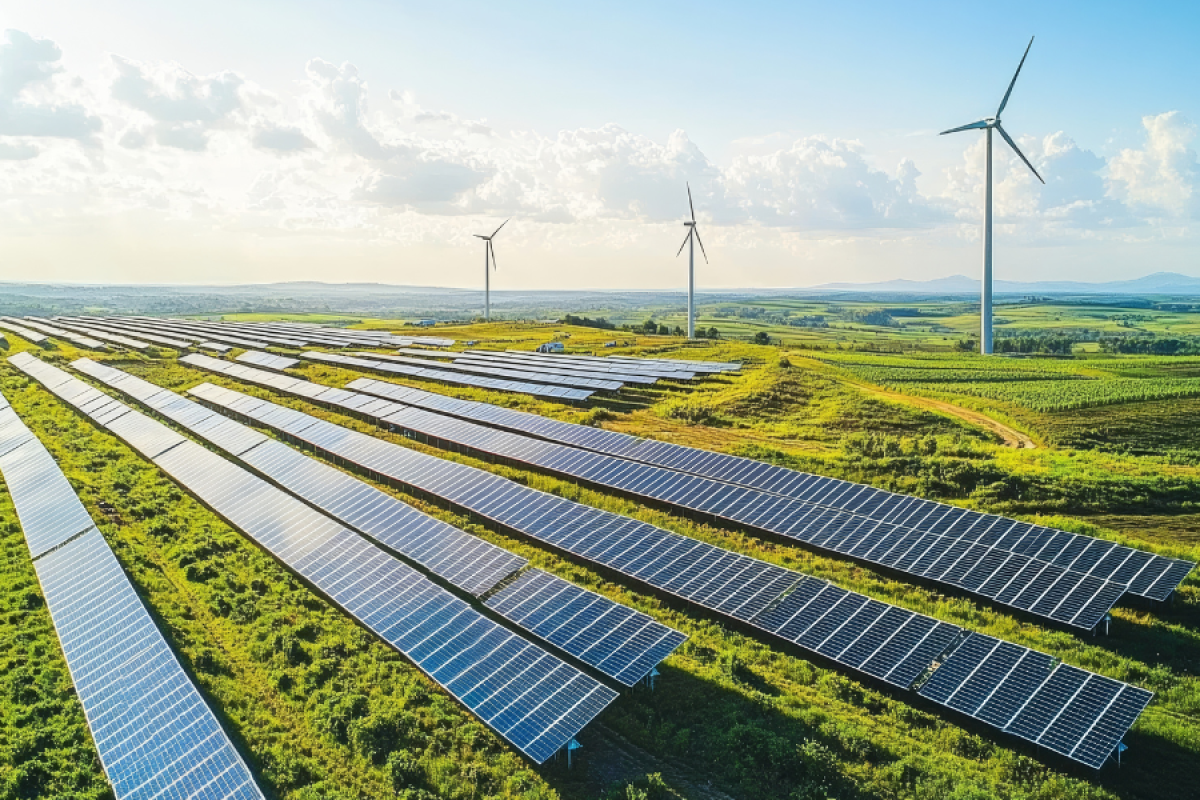
We take action today - for a safe tomorrow
Thinking sustainably – shaping the future with DC: Discover how DEHN takes responsibility by combining energy efficiency, resource protection, and innovation.
FAQs
IEC 61643-xx is the international standard for surge protective devices (SPDs). In particular, parts -31 (PV applications) and -41 (linear DC sources) are of interest. These normative requirements are verified by independent testing institutes such as DEKRA or VDE and certified through their test marks. For North American approval, UL 1449 applies, which is also confirmed by the UL organization.
The relevant parameters for the application are defined in IEC 61851-23. For example, it specifies that the rated voltage (Udc) of the SPD must correspond to or exceed the system voltage. Likewise, the voltage protection level (Up) of the surge protective device must not exceed 2.5 kV. Furthermore, when selecting the SPD, coordination with upstream fuses and a short-circuit withstand capability higher than the maximum possible system fault current must be taken into account.
According to the applicable installation standards, surge protective devices should be installed as close as possible to the power feed point - i.e., at PV strings or battery terminals - to minimize the impact of lightning and surges on the rest of the installation. At system boundaries or lightning protection zone transitions, they protect the interfaces between DC and AC systems, for example at the inverter input or at the cable entry of a DC hypercharger. Short cable runs keep the protection level of the surge protective devices as low as possible. Proper grounding is essential for the effectiveness and safety of the SPDs.
Planning a complete protection system for DC installations requires in-depth knowledge of standards, risk analysis and system integration. The DEHNacademy offers practical training courses on surge and lightning protection to assist you with your design work. In addition, DEHN offers professional support with its engineering services: from consulting to the complete planning of a tailor-made solution for your installation.